
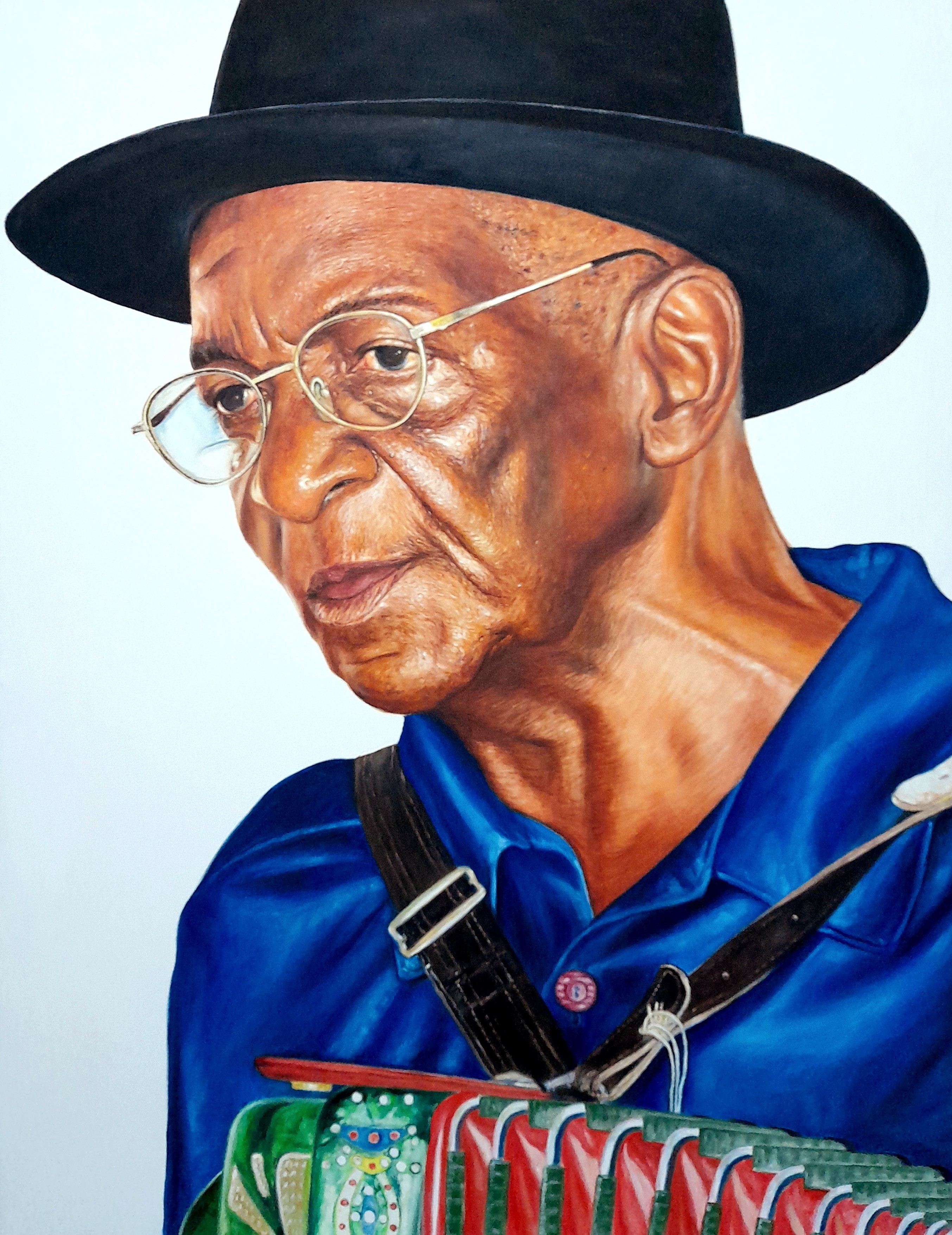
Cultural Music Activist and “King of Boom & Chime”
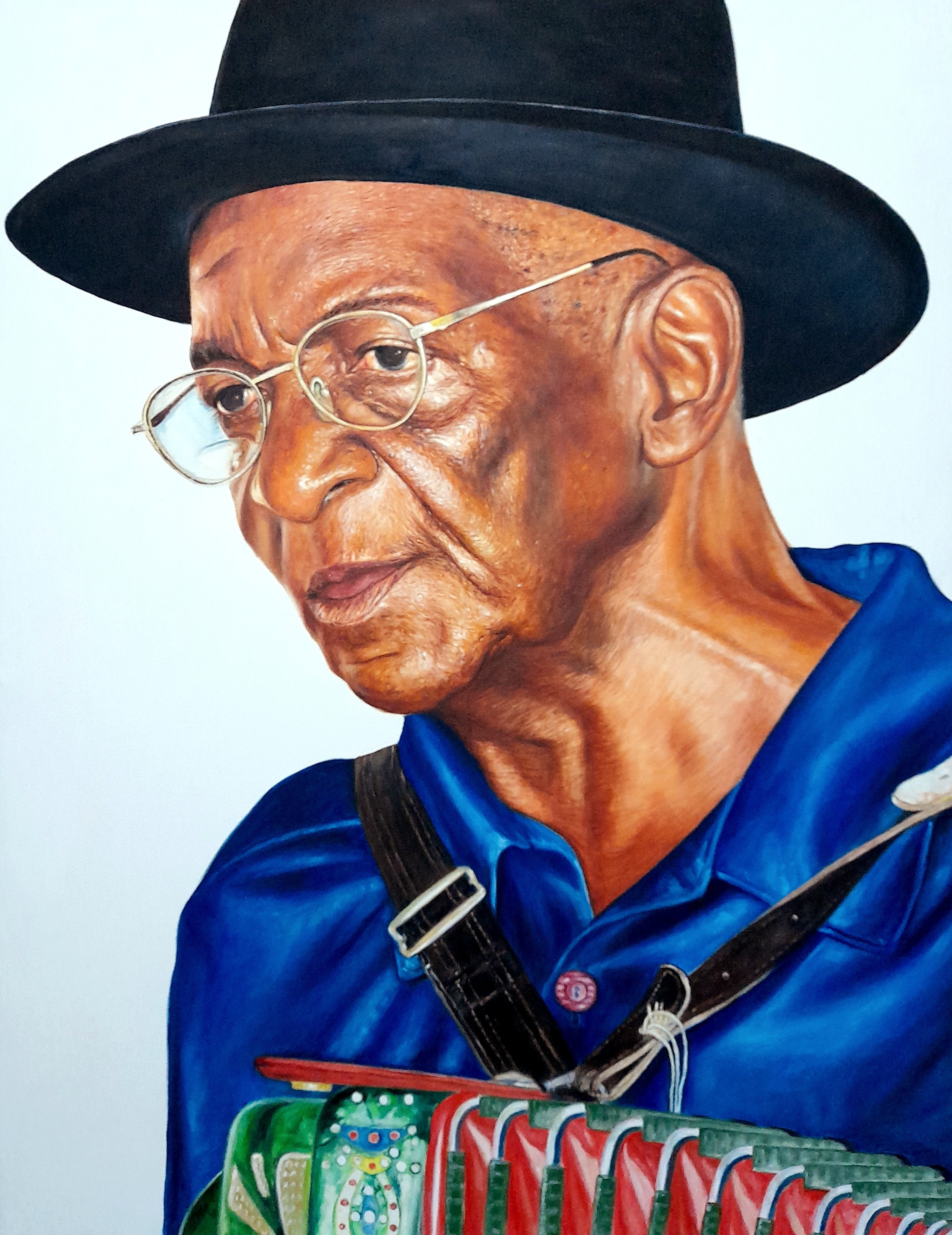
Wilfred Peters (1931–2010), affectionately known as Mista Peetaz, was one of Belize’s most celebrated cultural musicians and a central figure in the preservation and popularization of Brukdown (Boom & Chime) music. Widely referred to as one of the “Kings” of Belizean brukdown, he earned the title “Di King of Boom & Chime” for his decades-long dedication to safeguarding this distinctly Belizean musical form.
Early Life and Musical Roots
Born on April 15, 1931, in Gracie Rock Village in the Belize District, Peters grew up immersed in music. His father, Wilfred Peters Sr., a mahogany camp worker, played the accordion, while his mother, Dorothy Peters, played guitar and taught traditional dances. In the logging camps and river communities of colonial Belize, music was central to social life—accordion-driven dance rhythms echoed through work camps and village gatherings.
At age twelve, Peters moved to Belize City, where he continued developing his craft. Largely self-taught but deeply influenced by family tradition, he mastered the accordion and became known for his powerful rhythmic style and commanding stage presence.
Brukdown: Boom & Chime Tradition
Brukdown—also called Boom & Chime—is one of Belize’s oldest Creole musical forms. Rooted in African rhythms and European folk influences, it typically features:
- Accordion
- Banjo
- Guitar
- Boom bass (large upright bass made from a wooden box and string)
- Scraper (grater)
- Drums
The music blends storytelling, satire, social commentary, and dance rhythms. Historically performed in mahogany camps and rural communities, brukdown became an emblem of Belizean Creole identity.
By the mid-20th century, the genre was at risk of fading amid the rise of imported Caribbean and American styles. Peters emerged as a leading force in keeping it alive.
The Boom & Chime Band and National Impact
In the 1970s, Peters and fellow musicians formally organized what became known as the Boom & Chime Band, helping bring brukdown from rural spaces into national visibility.
In December 1978, the band released the influential brukdown recording “Salaman Gan”, helping introduce the genre to a wider Belizean audience at a time when national identity was becoming increasingly important in the lead-up to Belize’s independence (1981).
From that point forward, Peters became a cultural ambassador for Belize. He performed:
- Throughout the Caribbean
- In the United States
- In Mexico and Costa Rica
- Across Europe
His performances often represented Belize at festivals and cultural exchanges, positioning brukdown as a defining national sound.
Cultural Recognition and Honors
Wilfred Peters received numerous national honors for his cultural contributions, including:
- Membership in the Order of the British Empire (MBE)
- Belizean national cultural awards
- Recognition as a Cultural Ambassador of Belize
He was frequently featured in national celebrations, independence events, and cultural showcases. His influence extended beyond performance; he mentored younger musicians and advocated for the preservation of traditional Belizean art forms.
Legacy
Wilfred Peters passed away on June 9, 2010, leaving behind a musical legacy that remains foundational to Belize’s cultural identity. Today, brukdown continues to be performed at national festivals, schools, and community events—largely because of his lifelong advocacy.
He is remembered not only as a master accordionist, but as a guardian of Belize’s Creole heritage. His music carried the rhythm of the mahogany camps into modern Belize, ensuring that Boom & Chime would remain part of the nation’s cultural heartbeat.
Sources
- Government of Belize – National Institute of Culture and History (NICH) archives
- Belize National Library Service biographical records
- Contemporary news reports from Amandala and The Reporter (Belize)
- Oral histories and cultural documentation on Brukdown music
- Cultural profiles from the Belize Tourism Board