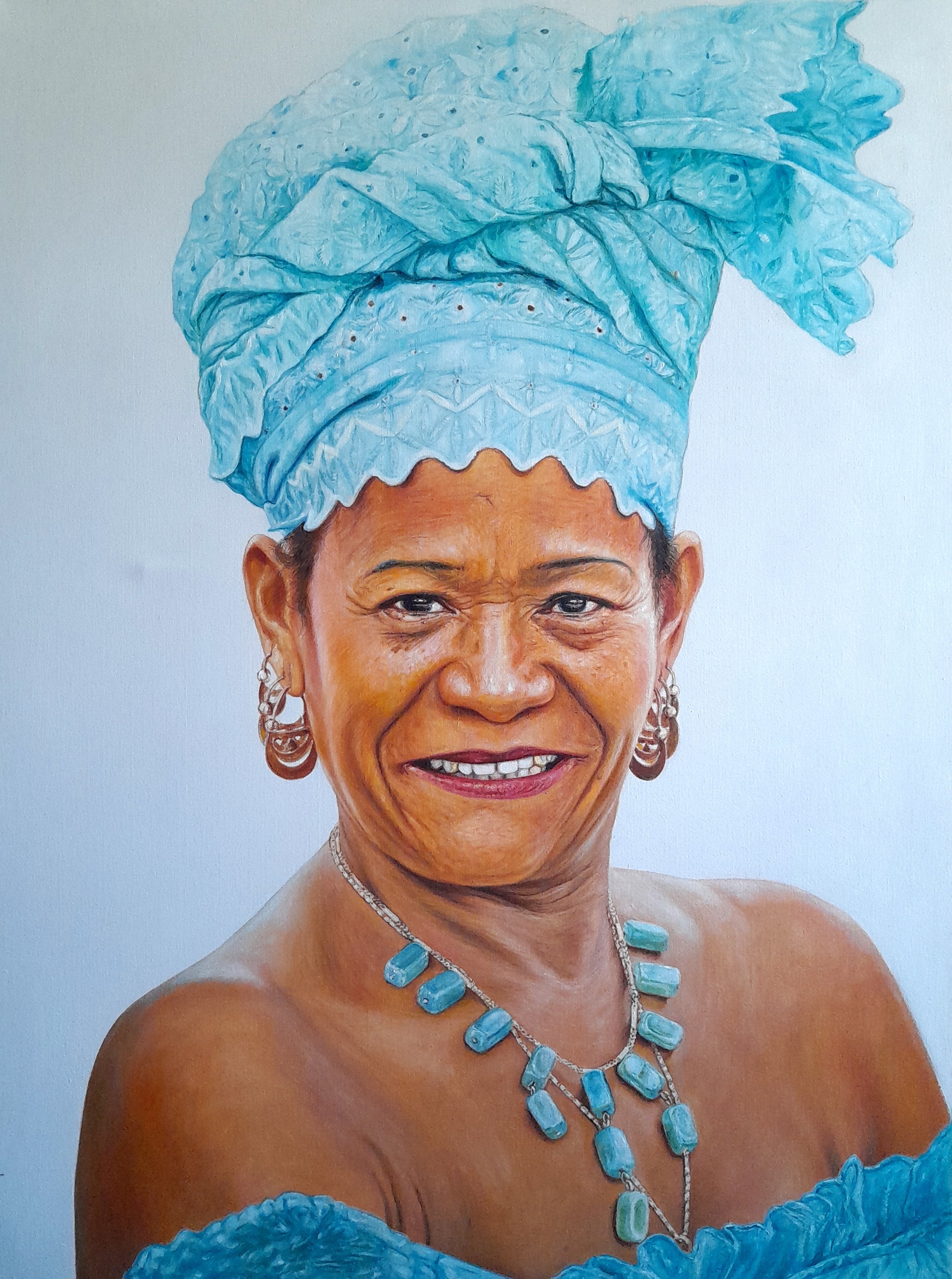
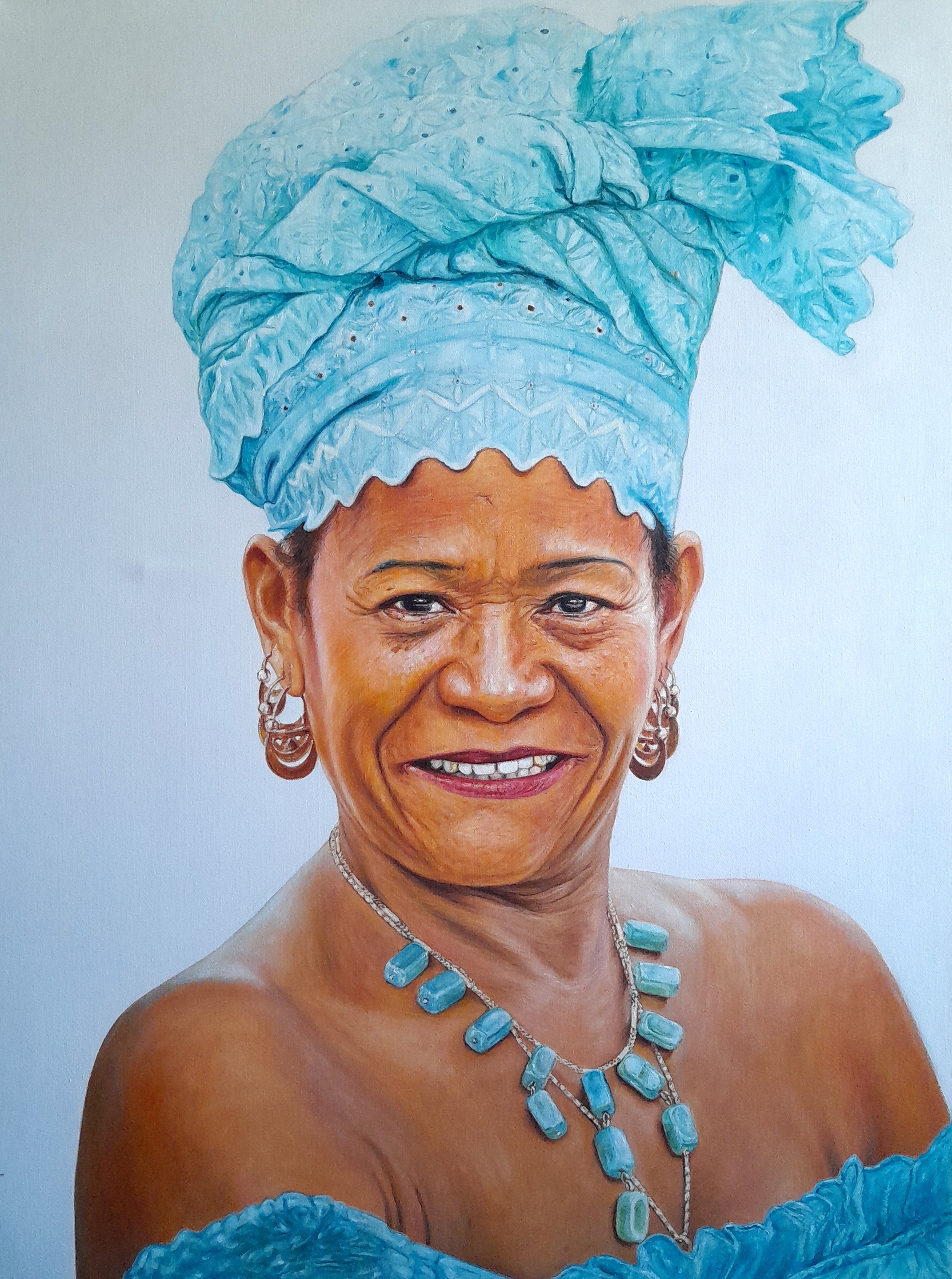
Leela Genus Vernon (born Lila Genus Martinez, October 21, 1950 – February 19, 2017) was one of Belize’s most influential cultural figures — a singer, activist, educator, and tireless advocate for the preservation and elevation of Kriol language and identity. Widely known as the “Queen of Brukdong,” she helped transform what is know known as Brukdown music from a marginalized folk expression into a nationally celebrated art form.
Born and raised in Punta Gorda, she grew up in a family proud of its African and Maya heritage. That grounding shaped her lifelong commitment to cultural affirmation. Her musical style drew heavily from traditional “Buru” Brukdown, believed to have originated in southern Belize in communities such as Monkey River Village. Brukdown itself evolved from enslaved African musical traditions, using improvised percussion, call-and-response singing, satire, and storytelling to reflect social realities.
Founder of the Ebolites
In 1987, Vernon founded the Ebolites Dance Group, a youth-centered cultural ensemble dedicated to training young Belizeans in Kriol music, dance, and performance traditions. Through choreography, costume, language, and oral storytelling, the group became both a performance troupe and a cultural classroom. The Ebolites performed nationally and internationally, serving as cultural ambassadors for Belize.
The National Kriol Council
Vernon played a foundational role in the formation of the National Kriol Council. Along with her daughter Juliette Vernon Austin and Percival Neal, she helped establish the first branch in Punta Gorda, which later expanded into a national body headquartered in Belize City.
Within the Council she served in multiple leadership roles, including President, Vice-President, and Cultural Liaison. Her work supported Kriol language standardization, literacy initiatives, publications, and public advocacy at a time when Kriol was often stigmatized rather than celebrated.
In 2011 she released a Kriol translation of Belize’s national anthem, reinforcing her message that Kriol identity is inseparable from Belizean national identity.
International Recognition and Honors
In 1994, Vernon performed for Elizabeth II during the monarch’s visit to Punta Gorda. In recognition of her cultural work, she was appointed a Member of the Most Excellent Order of the British Empire (MBE).
She performed internationally both as a solo artist and with the Ebolites at venues including the Manhattan Center in New York and the Afro-Caribbean Festival in Veracruz, Mexico. Her work positioned Belizean Brukdown on international stages.
Her most recognized song, “Ah Waahn Noa Hoo Seh Kriol Noh Ga No Kolcha!” (released in 2001), became a rallying cry for cultural pride. The title translates roughly to “I Want to Know Who Says Creole Has No Culture!” The song functions as an anthem of affirmation for Belizeans of Creole descent and for broader cultural inclusion in Belize. Other popular songs include “Welcome to Belize” and “Ding Ding Wala.”
Legacy
Vernon died on February 19, 2017, in Belize City. Tributes described her not merely as an entertainer, but as a cultural guardian who reshaped national consciousness. Her impact lives on through Brukdown festivals, Kriol language education programs, and the ongoing work of the National Kriol Council.
Her guiding belief remains instructive:
The heart of a country is its culture — and culture must be lived, sung, defended, and passed forward.
Sources
National Institute of Culture and History (Belize) archives and tributes
National Kriol Council publications
Government of Belize honors announcements
Contemporary press coverage of her passing (2017)
Biographical summary via public record and cultural documentation
Leela Vernon (biographical overview)